
Crowne Plaza Hotel, Belfast
9am – 5.30pm
Explore…ADHD, Autism, Dyslexia and More…
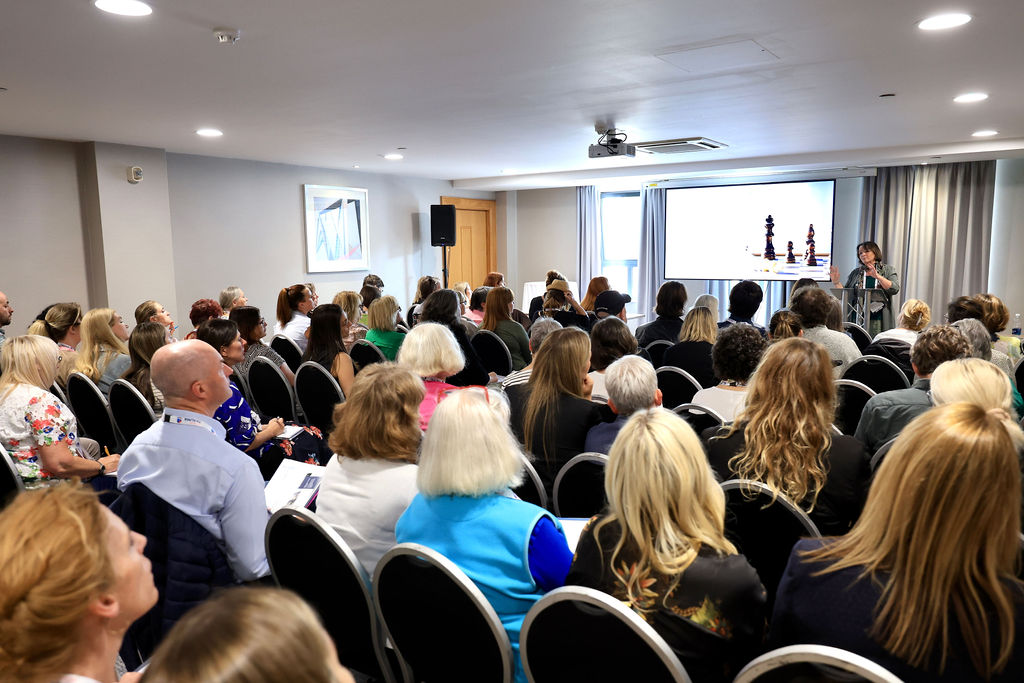
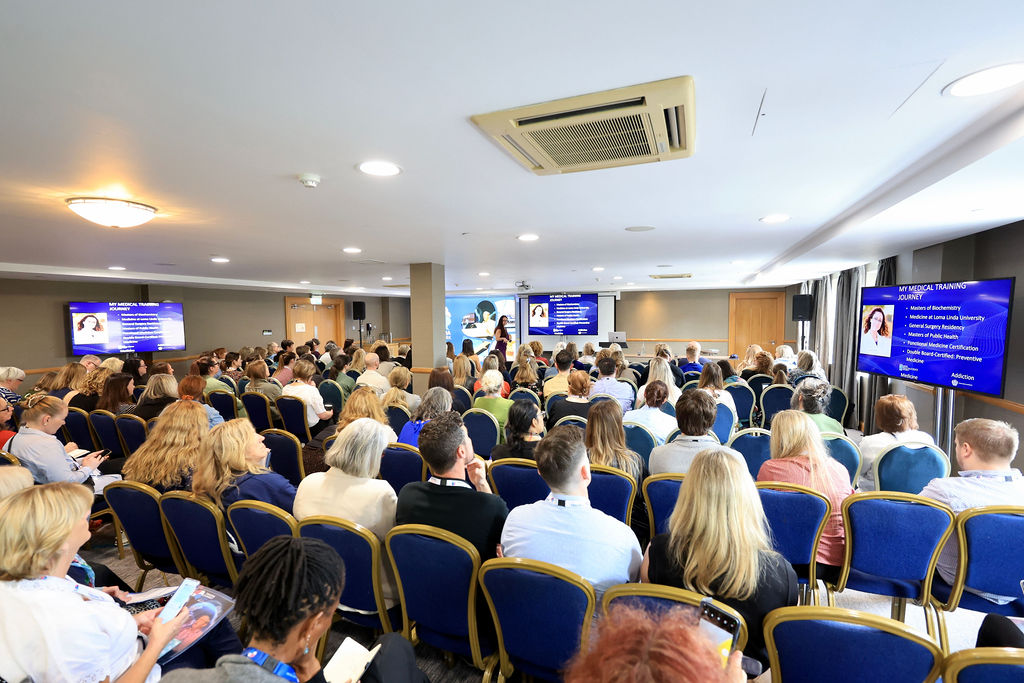
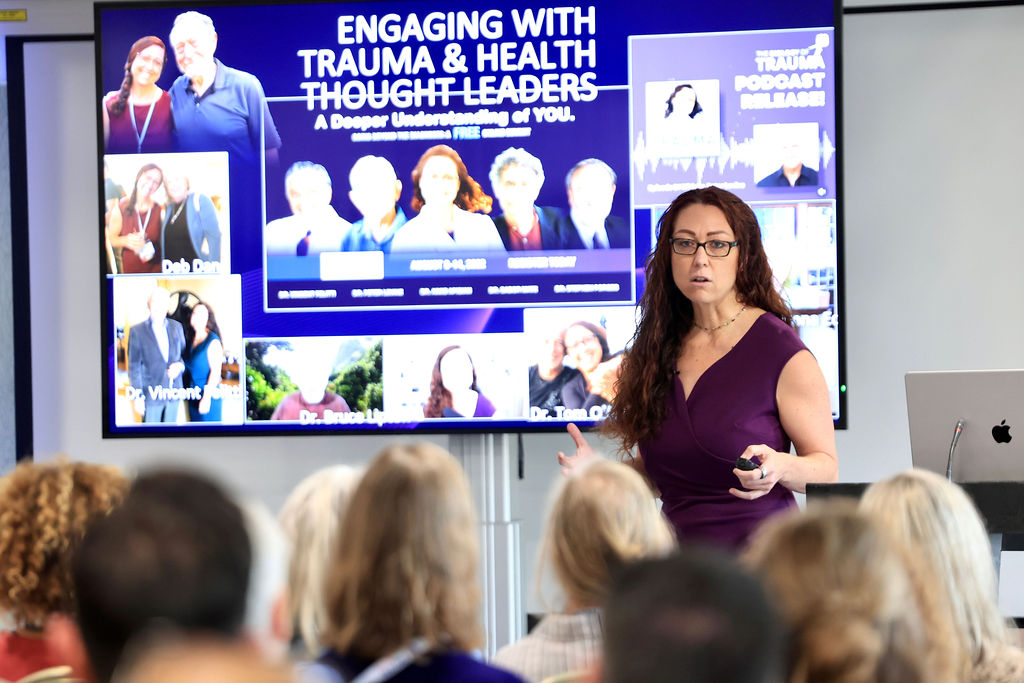
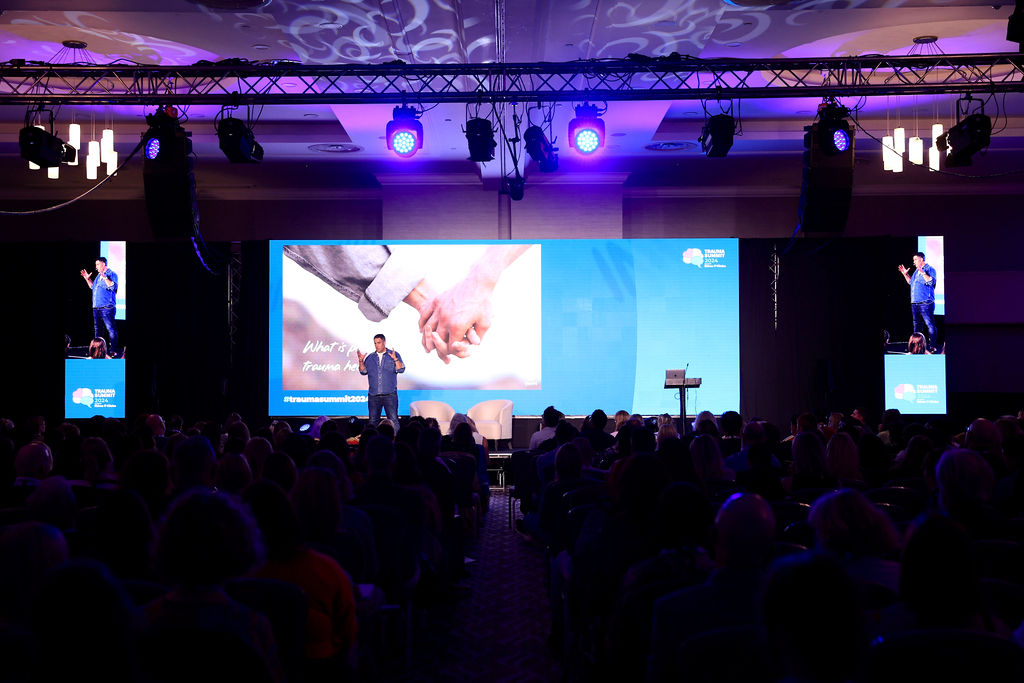
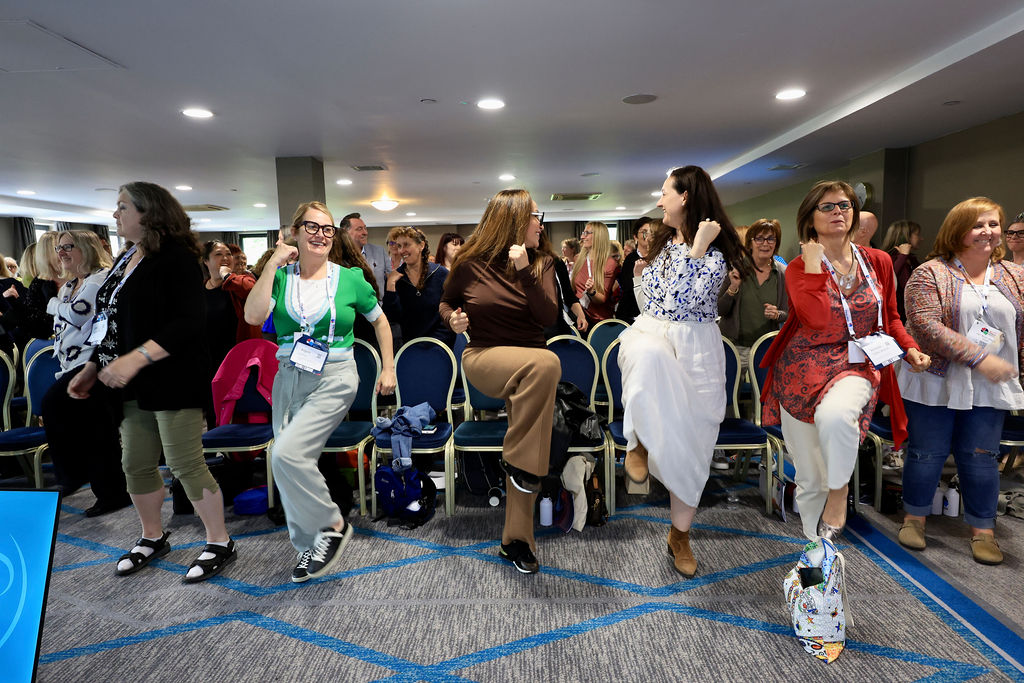
Neurodiversity Conference 2025 is a dynamic and immersive CPD-accredited event that invites us to rethink assumptions and expand our understanding of neurodiversity. Rooted in both clinical insight and lived experience, this event brings together a range of voices to explore innovative, respectful, and inclusive approaches to mental health and wellbeing.
Included with Your Ticket: Exclusive Digital Resource Hub
When you book your ticket for Neurodiversity Conference 2025, you’ll gain access to our password-protected Digital Resource Hub, available exclusively for attendees for 6 months, post conference.
What to Expect
New information on ADHD, Autism, Dyslexia and more
SUPPORT
Listen to and discuss with others, ways to support people whose minds may work differently, including those who identify with or have been diagnosed with autism, ADHD, dyslexia, or dyspraxia.
UNDERSTANDING
This is where therapy meets the real world. Enjoy open conversation to bring deeper understanding, appreciation and respect for differences, while also exploring root causes.
LEARNING
Whether you have personal experience with neurodivergence, as a counsellor, therapist, teacher, support worker, policymaker, parent, or someone who’s neurodivergent yourself, you’re warmly invited to join a community exploring supportive ways of working.
Reasons to attend
New information on ADHD, Autism, Dyslexia and more
Connect and Inspire
Everyone’s talking about it!Network with a passionate community and help shape neurodivergent-informed practices across sectors.
Engage and Challenge Perspectives
Engage in discussions to broaden understanding and acceptance of diverse minds. Listen to new ideas which work, from people who know.
Transform Your Practice:
Learn inclusive and real-world ways to support divergent minds through hand-on workshops.
Earn CPD and Expand Knowledge:
Gain certified CPD hours while learning from clinical experts and individuals with first-hand experience.
Meet the Speakers
See below speakers confirmed...more speakers to be announced

Gabor Maté

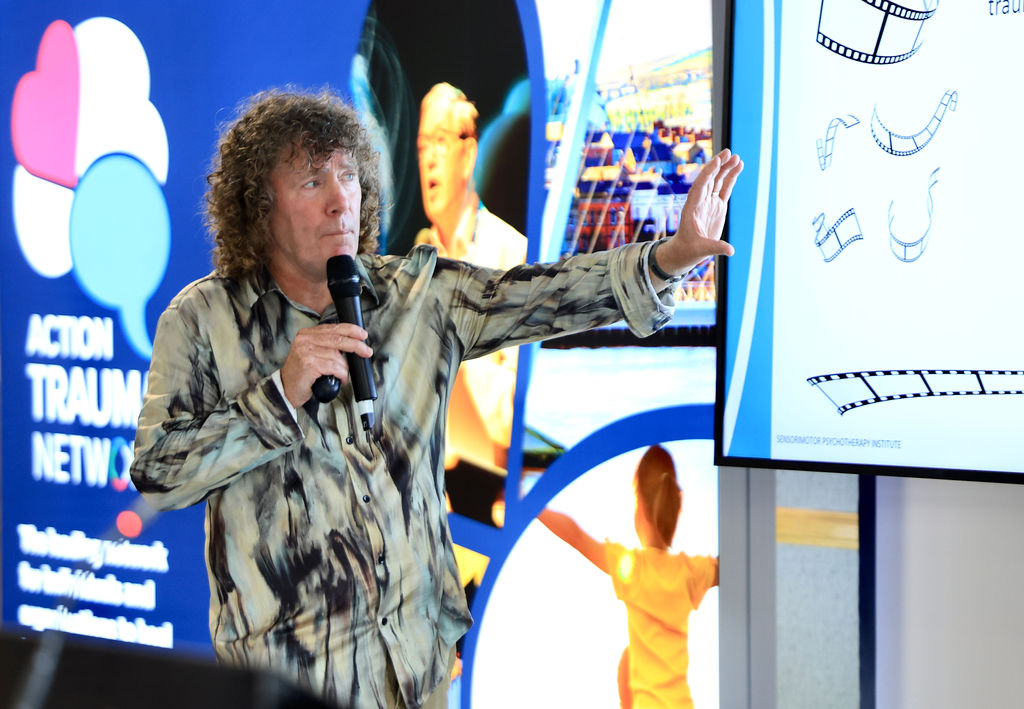
David Hilton
Angela Austin

Louis Weinstock
Felicity Evans
Dr Sarah Haywood

Bob Allen
Holly Bridges

Barra Best
Andrea Thornton
Dr. Raymi Doyle
Susan Steele
Alice McCullough

Dr Sara Santos
Debbie Gilmore
Charlotte Davies
Gabor Maté
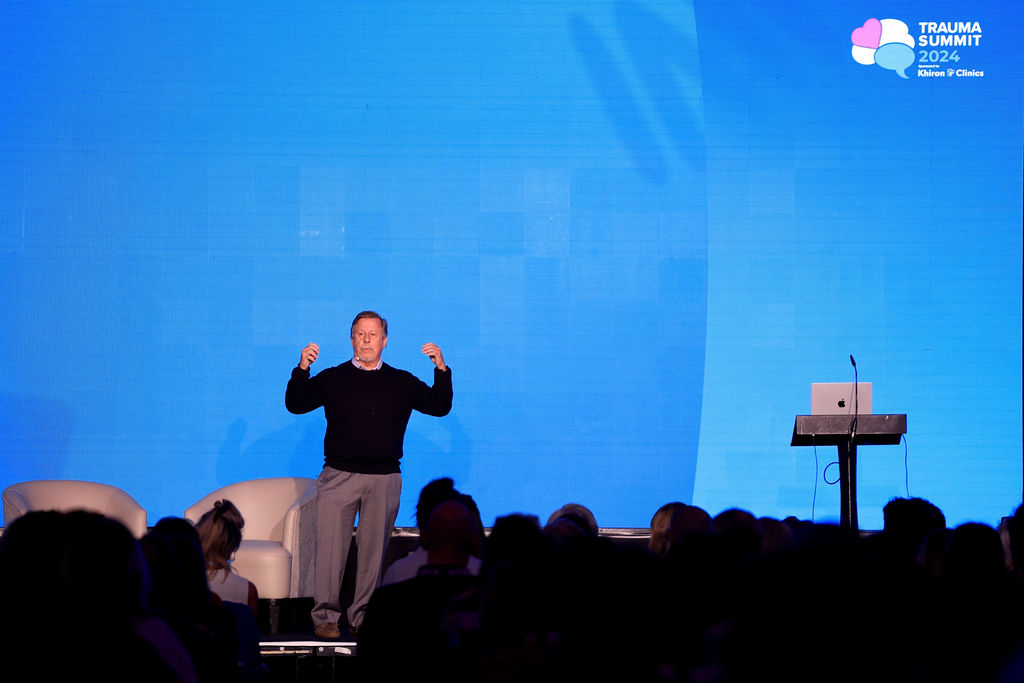
Gabor Maté (pronounced GAH-bor MAH-tay) is a retired physician who, after 20 years of family practice and palliative care experience, worked for over a decade in Vancouver’s Downtown East Side with patients challenged by drug addiction and mental illness. The bestselling author of five books published in nearly 40 languages, including the award-winning In the Realm of Hungry Ghosts: Close Encounters With Addiction, Gabor is an internationally renowned speaker highly sought after for his expertise on addiction, trauma, childhood development, and the relationship of stress and illness. For his ground-breaking medical work and writing he has been awarded the Order of Canada, his country’s highest civilian distinction, and the Civic Merit Award from his hometown, Vancouver. His most recent book, The Myth of Normal: Trauma, Illness and Healing in a Toxic Culture is a New York Times and international bestseller.
Website:https://drgabormate.com/
David Hilton
BIO
David Hilton is a Level 2 trained practitioner in both Internal Family Systems (IFS) Therapy and Loch Kelly’s Effortless Mindfulness (EM). While he has engaged in extensive formal training, much of David’s deepest understanding stems from personal experience.
Over a decade ago, David was diagnosed with Obsessive-Compulsive Disorder (OCD). More recently, he has also identified as autistic and ADHD parts within his own system (sometimes referred to as AuDHD). These lived experiences have profoundly shaped his approach to healing and therapy.
David’s search for deeper self-understanding eventually led him to discover IFS, a model that transformed his view of mental health. Through IFS, he came to see that he was not “mentally ill,” but rather carrying extreme protective parts guarding deep vulnerability. Today, after years of personal healing work, David feels privileged to support clients—many of whom are neurodivergent themselves—in befriending protectors, unburdening wounded parts, and reconnecting with their authentic Self.
WORKSHOP OVERVIEW
Welcoming ALL Parts Of You: an experiential exploration of neurodivergent parts using Internal Family Systems (IFS)
This experiential workshop invites therapists to deepen their understanding of Internal Family Systems (IFS) as a powerful, client-centered approach for working with neurodivergent individuals. The focus will be on cultivating embodied, firsthand experience of the inner world in the here and now—moving beyond theory into direct exploration.
Participants will first learn to access ‘Self-energy’—the qualities of presence, compassion, and curiosity that are foundational for creating psychological safety in therapy. From this space, therapists will practice welcoming all parts of themselves and, crucially, develop sensitivity to the ways neurodivergent traits may shape clients’ internal systems.
The session will highlight common neurodivergent experiences, such as masking, internalised stigma, and heightened protective strategies, offering tools for working with these dynamics through an IFS lens.
While the primary emphasis is on client work, participants will also have the opportunity to increase awareness of their own internal parts, supporting greater authenticity, attunement, and resilience in the therapeutic relationship.
As Richard Schwartz, founder of IFS, teaches: “We can only take our clients as far as we have gone ourselves.”
LEARNING OBJECTIVES
- Deepen self-acceptance, particularly in relation to one’s own neurodivergent traits or parts, in order to hold greater compassion and understanding for clients.
- Increase understanding of how internal parts, including those influenced by neurodivergence, show up in both therapists and clients, and learn ways to work more compassionately and effectively with neurodivergent clients using an IFS approach.
- Access and embody Self-energy as a therapeutic resource, cultivating the qualities needed to create safety for neurodivergent clients’ systems.
- Recognize the diverse ways that parts, particularly those shaped by neurodivergent experiences, may express themselves internally and externally.
- Develop skills in Self-leadership to model internal safety and acceptance for neurodivergent clients navigating internalized stigma, masking, and trauma.
Website:www.mindfulnondualtherapy.com
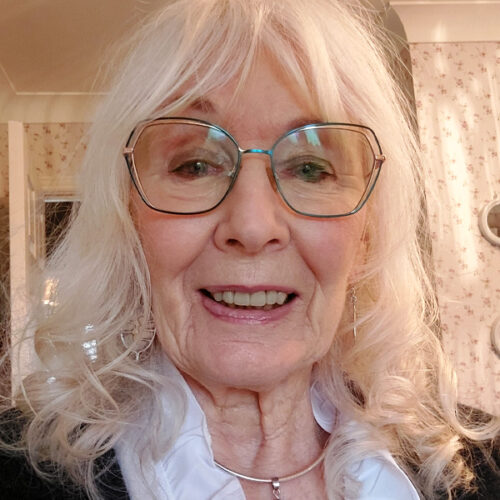
Angela Austin
BIO
Angela Austin has worked in the fields of special educational needs and specific learning difficulties for over 50 years. She has been deputy head of a school for pupils with specific learning difficulties. Angela was Curriculum manager of a residential school for children and young people diagnosed with autistic spectrum. Angela became the leader of a specialist provision for children with speech and language disorder and delay.
After training and qualifying as a psychotherapist, Angela became the founding headteacher of a specialist school for children and young people on the autistic spectrum. She trained her staff to work in a specific way with the pupils and their parents. The school was a low anxiety, therapeutic learning environment. The school was extremely effective and transformed children from highly anxious and difficult to teach children who accessed the curriculum and became part of a community that caused them to feel safe, appropriately empowered and able to become independent.
Angela has trained parents and professionals all over the country, she has also worked within families whose children had a diagnosis of autism from non-verbal children to those who are high functioning. Angela has seen that empowering parents and schools to work together to manage and support anxious children, is key to creating lower anxiety and better life chances for children and young neurodiverse people. Angela has made a series of videos to help those affected by neurodiversity.
WORKSHOP OVERVIEW
Reducing anxiety in homes and schools. Optimising learning and enhancing life skills.
This workshop explores how neurodiversity has always existed, with evidence in historical records and literature, and how today’s rapidly changing world has led to increased anxiety for neurodiverse individuals. We’ll examine how structured environments once supported coping, and how modern education systems, social media, and shifting gender expectations can overwhelm. Through real-life examples, we’ll discuss the challenges faced in schools, universities, and at home. The session will also focus on empowering parents and staff with clear strategies to create safe, structured, and supportive environments that reduce anxiety and promote confidence, consistency, and personal responsibility in neurodiverse children and young people.
LEARNING OBJECTIVES
1. Understand Neurodiversity through time.
2. Explore the effect of anxiety on the neurodiverse
3. The role of schools and the curriculum in promoting anxiety.
4. Empowering parents.
5. Creating an ethos, structure and curriculum that creates a low anxiety learning environment.
Louis Weinstock
BIO
Louis Weinstock is a psychotherapist, coach, and founder of the award-winning social impact charity Apart of Me. With over 20 years’ experience supporting vulnerable children and adults, his work bridges psychology, spirituality, and social change. Louis pioneered the world’s first therapeutic game for young people experiencing grief and trauma, earning a Points of Light Award from the UK Prime Minister.
His Substack newsletter and community The Heart of Being Human is for people seeking soulful, nuanced, and compassionate ways to navigate the chaos of modern life. His book, How The World Is Making Our Children Mad, And What To Do About It (Penguin Random House), won the Nautilus Gold Award and has inspired leaders, parents, and educators to rethink resilience and success.
Known for bringing a critical, compassionate lens to complex topics, Louis challenges the medicalisation of natural human difference while offering new, relational models. He helps individuals and organisations build ‘islands of sanity’ in an increasingly fast-paced, fragmented world, guiding them beyond labels toward authenticity, relational depth, and sustainable transformation.
Louis believes that in an age of rising polarisation and fragmentation, nuance, courage, and deep connection are our most needed medicine.
WORKSHOP OVERVIEW
Adaptive Sensitivity: Rethinking Neurodiversity in a Rapidly Changing World
As the language of neurodiversity moves from the margins to the mainstream, we find ourselves at a cultural crossroads. Diagnosis rates are rising, self-identification is exploding, and many practitioners are being called to navigate complex, often polarised conversations. What do these trends reveal about our culture?
In this interactive workshop, psychotherapist Louis Weinstock introduces adaptive sensitivity, a practical, compassionate framework for understanding difference as the evolving interplay of biology, context, culture, trauma, and meaning. Through guided inquiry and group dialogue, participants will explore how to hold neurodivergent experience with nuance, relational depth, and critical thinking.
LEARNING OBJECTIVES
Integrate relational, reflective, and context-sensitive approaches into their work with neurodivergent adults and children, balancing validation with curiosity and growth.
Critically evaluate dominant narratives around neurodiversity and explore how these shape both individual identity and clinical practice.
Describe the concept of adaptive sensitivity and apply it as a flexible framework for understanding neurodivergent experience in context.
Reflect on the cultural and systemic factors (e.g. rising diagnosis rates, online self-identification) influencing how clients relate to labels and difference.
Develop greater confidence in navigating complex conversations with clients and families around diagnosis, identity, and support needs.
Website:www.louisweinstock.com
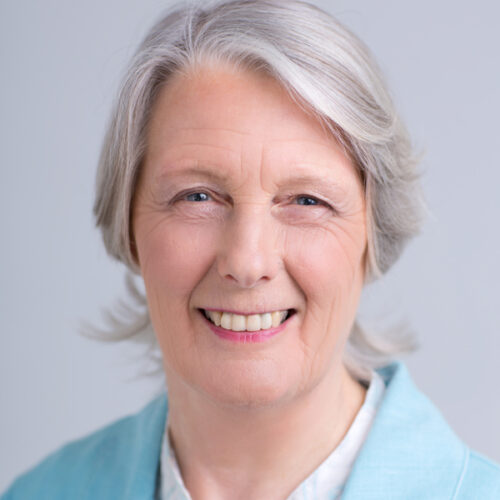
Felicity Evans
BIO
Felicity Evans has dedicated her life to supporting the wellbeing of children, young people, and their families—particularly those navigating the challenges of neurodivergence, trauma, and stress.
Her journey began in the 1970s as a teacher at High Wick, where an innovative approach brought education and health together to support eighteen deeply distressed, withdrawn, or challenging children. Throughout the 1980s, she continued to focus on children with developmental and behavioural needs, deepening her understanding of the links between health and learning.
In the 1990s, as a Special Educational Needs Coordinator (SENCO), Felicity developed inclusive school structures designed to help all children learn with confidence and joy. This ethos led to the founding of NatureKids in 2000—an initiative for children unable to manage in mainstream education. There, Felicity helped each child discover their own potential and thrive in a safe and nurturing environment.
More recently, a transformative encounter with a struggling teenager led Felicity to the science of hypermobility, now recognised as being strongly linked with many aspects of neurodivergence. Her work now centres on sharing the research and tools that address the physical, neurological, and emotional impacts of hypermobility—paving the way for what she calls “Hyper and Happy,” a hopeful and empowering theme for children, parents, and professionals alike. Felicity is currently writing a book entitled Hyper and Happy, which outlines her practical six-step method for supporting neurodivergent children to thrive.
WORKSHOP OVERVIEW
Hyper and Happy: Understanding Hypermobility as a Key to Neurodivergent Wellbeing
Join Felicity Evans for an insightful and experiential workshop exploring the powerful, often overlooked role of hypermobility in understanding and supporting neurodivergent children and adults.
While hyperactivity and hypersensitivity are familiar aspects of neurodivergence, hypermobility—a physical condition affecting joints, connective tissue, and the nervous system—is rarely discussed. Yet its connection to neurodivergence is now scientifically supported and widely observed.
Felicity draws from decades of hands-on experience to share how recognising hypermobility can shift our perspective:
- From waiting for diagnoses to spotting visible signs of hypermobility and offering immediate, practical support.
- From viewing visceral hypermobility and the associated Fright, Fight, Flight, Freeze, and Fawn responses as character traits or behaviour issues, to understanding them as underlying physical, neurological, and emotional patterns.
- From overlooking the trauma of hypermobility to realising how this trauma can lead to addictive patterns with toddlers to teenagers and into adult life.
- From minimising trauma and stress in adults and children, to actively enabling them to achieve greater enjoyment, wellbeing, and brilliance.
Felicity shares how our attitude and words can support the instability of hypermobility and enable each adult or child to shine in their own unique ways.
This session includes open discussion and everyday language— no clinical expertise required. Many participants may find themselves reflecting on their own childhoods or current circumstances with fresh understanding and compassion.
LEARNING OBJECTIVES
Encourage self-reflection and empathy through experiential learning and open discussion, fostering deeper understanding of personal and interpersonal experiences related to hypermobility.
Identify the characteristics and signs of hypermobility and understand how they relate to neurodivergence in both children and adults.
Develop awareness of the physical and neurological implications of hypermobility, including its effects on behaviour, emotional regulation, and sensory processing.
Reframe challenging behaviours by recognizing them as potential responses to unrecognized physical needs rather than solely psychological or behavioural issues.
Gain practical strategies for offering immediate, compassionate support to individuals showing signs of hypermobility—without waiting for formal diagnoses.
Website:www. felicityevans.co.uk
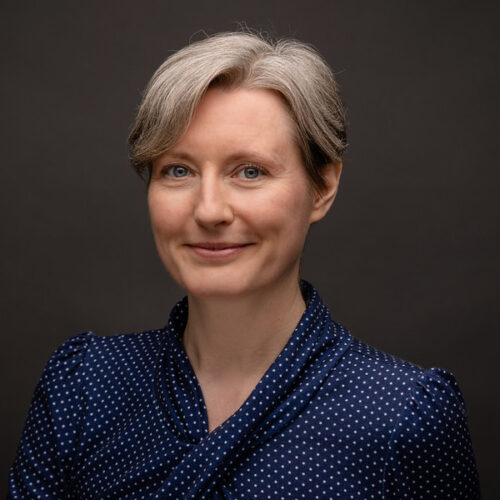
Dr Sarah Haywood
Sarah Haywood (she/her) has been facilitating teaching and training with adult learners for over 25 years. Before qualifying as an Art Psychotherapist she worked for 10 years as a researcher and lecturer at the Universities of Edinburgh and York, with research interests in language and communication. She graduated from the Art Therapy programme at Queen Margaret University in 2010 and was awarded the 2012 British Association of Art Therapists’ (BAAT) Student Essay Prize. Her writing has appeared in a range of publications including the International Journal of Art Therapy: Inscape, and the BACP’s Children, Young People and Families journal. She is currently the lead associate editor for Equality, Diversity and Inclusion (EDI) at the International Journal of Art Therapy: Inscape, and programme leader for BAAT’s specialist diploma in art therapy supervision.
After registering with the Health and Care Professions Council Sarah worked in school-based counselling services in Scotland for around a decade, offering therapeutic support for children and young people aged 4-18 via CAMHS and third-sector organisations. She currently works in a third sector service supporting children and young people affected by alcohol and drug use in their families. Since 2017 Sarah has been a lecturer at Queen Margaret University, teaching on the MSc Art Psychotherapy and related programmes. She has worked as a trainer for Place2Be and Samaritans, has a diploma in Cross-Professional Creative Supervision and Reflective Practice, and a small private supervision practice. In 2022 Sarah discovered that she is part of the autistic community.
WORKSHOP OVERVIEW
Creative support for all kinds of minds: Neurodiversity and art therapy
This workshop introduces the fundamentals of art therapy and explores how creative processes can support neurodivergent minds in the context of therapeutic work. Participants will be invited to try out some simple creative activities that draw on the power of image and imagination. We will explore key considerations in tailoring creative approaches to meet neurodivergent people’s needs and preferences. We will also check in on the ‘limits of our professional competence’ in relation to using creative approaches safely in therapy. All kinds of minds are welcome – no prior experience or expertise in using art materials is required!
OBJECTIVES
- Understand what art therapy is, what it isn’t, and why creative approaches can ‘reach the places that talking therapies cannot reach’
- Explore the power of image and imagination in therapeutic work
- Appreciate how creative approaches can be tailored to meet the needs and preferences of neurodivergent people
- Give it a go: Have an opportunity to try out some simple creative activities for yourself
- Consider the edges of our professional capacity – how can we use creative approaches safely?
Bob Allen
BIO
Bob has been a neuro-developmental therapist since 1994, initially training under Steven Clarke at the Centre of Developmental Difficulties. After Steven’s passing in 1997, Bob established his own practice in Windsor, continuing to use Clarke’s rare dermal stimulation technique. He later trained at the INPP in Chester with Dr Peter Blythe, learning a movement-based approach to inhibit primitive reflexes, and in 1999, expanded his expertise with Dr Kjeld Johansen’s auditory stimulation programme to support speech and auditory processing. Bob works with clients aged 10 months to 72 years, addressing issues such as anxiety, ADHD, autism, dyslexia, dyspraxia, and sensory processing. Around 25% of his clients are adults struggling with stress-related symptoms linked to retained reflexes.
He has also trained several therapists in the UK, US, and Greece, including team members Sarah Baker, Lucy Simmonds, and Sandy Denyer who work alongside him in Windsor.
TALK OVERVIEW
Understanding Retained Primitive Reflexes in Development.
Bob Allen will explore the often-overlooked impact of retained primitive reflexes on neurodevelopment and mental health. These early-life reflexes, such as the Moro and Tonic Labyrinthine Reflex (TLR), are designed to support survival in infancy—but if not properly integrated, they can disrupt sensory processing, emotional regulation, and cognitive function into adulthood. Drawing on over three decades of clinical experience, Bob will explain how reflex retention can contribute to presentations such as ADHD, anxiety, dyslexia, and sensory challenges—often mistaken for purely behavioural or psychological issues. He will also introduce a combined approach of tactile stimulation and movement-based therapy designed to support reflex inhibition, enhance neuroception, and promote long-term nervous system regulation. This talk will offer a fresh lens on neurodiversity, highlighting how supporting the nervous system at a foundational level can create meaningful change for both children and adults negotiating developmental challenges.
WORKSHOP OVERVIEW
Learn how to screen for developmental delay – Identifying the signs of primitive reflexes
This engaging workshop is designed to equip professionals with the skills to screen for developmental delays through the lens of primitive reflexes. Participants will learn to identify key reflexes critical to early neurological development and explore the clinical impact of their retention. The session will highlight signs of retained reflexes in both children and adults, with a focus on neurodivergent presentations such as ADHD, autism, and dyspraxia. Through practical demonstrations, attendees will gain confidence in using observational techniques and simple tests to screen for these reflexes, enhancing early identification and intervention strategies in clinical or educational settings.
Learning objectives
1. Identify key primitive reflexes and understand their role in early brain and nervous system development.
2. Explain the clinical impact of these retained reflexes.
3. Recognise common signs of retained reflexes in both children and adults, particularly in neurodivergent presentations such as ADHD, autism, and dyspraxia.
4. Apply observational techniques to screen for possible retained reflexes.
5. Learn some simple tests that confirm the presence of retained primitive reflexes.
Website:www.accesspotential.net
Holly Bridges
BIO
Holly Bridges is the Australian author of ‘Reframe Your Thinking Around Autism’; and the creator and principal therapist of Anxiety Reframe Technique (A.R.T.). She is also a wife, mother, cat lover and identifies as autistic. Informed by a highly creative and neurodiverse mind, Holly’s efforts in the field of somatics and neuroscience have brought forth an award winning therapy that improves the lives of people who are often seen as ‘hard to treat’. Those with profound states, early existential trauma, brain injury, autism, ADHD, anxiety and overwhelm are finding greater states of safety, agency and personal sovereignty. A.R.T. is a gentle, considered approach, based on Integral Theory, Polyvagal Theory, Somatics, Developmental Theory, Psychodynamics and Codesign.
WORKSHOP OVERVIEW
The Art of Listening to the Body’s Intelligence – A Practical Approach to Nervous System Dysregulation
This workshop introduces the Anxiety Reframe Technique (A.R.T.), a biopsychosocial approach developed by Holly Bridges to support individuals experiencing ADHD, autistic inertia, and nervous system dysregulation. Grounded in Polyvagal Theory, A.R.T. integrates somatic techniques and co-regulatory dialogue to access the body’s innate sophistication – without overriding it.
Participants will identify key elements of the technique, exploring cranial nerve pathways, dorsal vagal states, and the clinical implications of working with profound stillness. Through case studies and practical tools, clinicians will learn to recognise non-verbal intelligence and support clients in shifting from shutdown to self-agency in a respectful, embodied way.
LEARNING OBJECTIVES
Presume Brilliance: Explore clinical strategies for working with inertia and profound physiological states, while recognising the therapeutic value of these states and the potential loss when non-verbal or unconventional intelligence is overlooked.
Key Aspects of Success: Identify the core elements that contribute to the clinical effectiveness of the Anxiety Reframe Technique (A.R.T.) in addressing autistic inertia.
The Power In Your Pinky Finger: Understand the relevance of specific acupressure hand points in relation to cranial nerve pathways and their integration within a polyvagal-informed approach.
Case Presentations: Evaluate three client case studies to illustrate the practical application of A.R.T. across varied neurodivergent presentations and therapeutic contexts.
Finding States of Stillness: Explain the significance of accessing the dorsal vagal state in therapeutic work, and why this state is often difficult to achieve in clients with complex nervous system dysregulation.
————-
Hara Ball Exercise – A Tool for internal Coherence
In this session, Holly Bridges shares her signature ‘Hara Ball’ Exercise. This a tool designed to bring the body into a state of greater alignment. It can offer a profound mental clarity and sense of peace to those who have never experienced a quiet mind.
It is deceptively simple. There is an A.R.T. to this exercise that, when we move out of a ‘fix it’ paradigm, allows us a whole new vista of what is possible. Here, we get to go past what the body ‘knows is true’ and we find – without psychological analysis – the place where the body has ‘locked’. With A.R.T., we learn to safely attend to this space and give the body an opportunity to re-imagine itself past a lifetime of implicit shut-down – or high alert.
This internal coherence can bring visual, auditory, executive and motor systems into greater alignment and give the individual a much greater appreciation of being in their body, as well as improving overall health.
Suitable for all humans – and most especially suitable for humans who typically cannot navigate their way to a relaxed state through breathing and meditation. (trauma, adhd, autism, intellectual disability and more)…
This is an excellent follow-on from Holly’s morning session – though the initial session is not a pre-requisite.
Website:www.zebr.co
Barra Best
Barra Best is a seasoned broadcaster and one of Northern Ireland’s most recognisable media personalities, best known as a senior weather presenter for BBC Northern Ireland.
Beyond forecasting, Barra is an accomplished reporter and documentary maker with 20 years experience.
Barra is proud to host this year’s Northern Ireland neurodiversity conference, bringing his communication skills and public platform to support greater understanding, inclusion, and celebration of neurodivergent voices.
Andrea Thornton
Andrea Thornton is a producer and filmmaker; her last documentary ‘ATTENTION PLEASE’ was made in the hope of bringing about reform on how we treat and recognise ‘labelled’ children in the Western World. ‘ATTENTION PLEASE’ had its first screening at the Cannes Film Festival and went on to premier in the US, winning ‘Best Short Documentary – Mental Health’ at the A.C. Cinefest, before being released worldwide on Amazon Prime. It also screened on all Virgin Atlantic flights.
Andrea’s journey into this field was deeply personal. In search of answers for her own son, who exhibited signs of ADHD, she consulted numerous experts but found no definitive solution. By chance, she discovered Neuro-Developmental Therapist Bob Allen, whose work on treating Retained Primitive Reflexes led to transformative changes in her child. Witnessing such a profound impact, she felt compelled to use her filmmaking skills to raise awareness of this little-known but highly promising approach.
Dr. Raymi Doyle
BIO
Dr. Raymi Doyle is a psychotherapist and neuroinclusive consultant at ‘the space between us’, providing clinical, educational and supervisory support internationally to neurodivergent individuals, professionals & organisations since 2005. Raymi opened a private practice in 2011 to provide clinical and supervisory support for both neurodivergent children, adults & couples. Noticing a gap in training professionals he developed a bespoke autism training programme delivered through higher education to a range of professionals. This has exponentially grown to presenting and chairing on national/international conferences as well as guest peer reviewed international articles for over a decade, where he has won awards for his service.
Raymi self-funded and completed his doctorate in 2022 called “Bridging the Gap between the Autistic, the Therapist, and the Theoretical Perspective”, which explored the relational space between neurotypes across numerous clinical practices within a multicultural study. This was one of the first studies to explore neurodivergent therapists. This ultimately led to developing his conceptual framework on ‘neurotransception’, developing a co-constructivist grounded theory to work across imposing power dynamics, and ultimately identifying himself as neurodivergent.
Raymi has developed a relational debriefing model that he has successfully piloted, and has integrated this within his neuroinclusive consultancy service, as well supporting novice neurodivergent researcher-practitioners in their own research journeys, that he offers adjacent to his clinical practice.
Raymi has also recently published a chapter ‘Neurotransception: A Conceptual Framework to Negotiate Relational and Power Dynamics that Exist across Divergent Neurotypes’ in the book ‘the neurodivergent reader’ edited by Damian Milton the founder of double empathy problem.
WORKSHOP OVERVIEW
Neurotransception: bridging the relational gap between divergent neurotypes.
This workshop introduces the conceptual framework of neurotransception developed by Dr. Raymi Doyle from his doctoral research, and later published in ‘the neurodivergent reader’ 2025.
We will first examine how a comprehensive assessment can assist the therapist in mapping out the relational dynamics across systems, before moving on to reflect on our own positions of power, and how that may manifest across a therapeutic dyad.
By applying the concept of spaciousness, we will look at how some intervention can be applied within a relational context of neutralizing neurobiological signals and power dynamics, before ending on how this can all be integrated within our practice, followed by a Q&A.
Learning Objectives
- Outline the core principles of neurotransception and how it manifests through neurobiological signaling within the relational dynamics across a therapeutic dyad.
- Identify the role of a comprehensive assessment when mapping out the relational dynamics that may be occurring across the systems that neurodivergent individuals may interact with.
- Reflect on our implicit and explicit positions of power that may feed into both the neurodivergent internal and other’s external reactive positions within the context of neurotransception and the social hierarchies that we may inhabit.
- Introducing the concept of spaciousness and how therapeutic intervention may be applied across conflicting power positions across divergent neurotypes.
- Briefly explore how working with neurotransception can be standalone or integrated across various therapeutic modalities.
Susan Steele
BIO
I’m Susan Steele, founder and director of Performance Breakthrough; a family-run programme that changes lives by addressing the root cause of many neurodiverse struggles, through movement-based neurodevelopmental exercises.
My journey began not as a therapist, but as a mum, watching both of my sons, John and Peter, struggle in school despite being bright, capable boys. One of them showed signs of ADHD, the other battled dyslexia. It wasn’t until I discovered the work of Dr. Frank Belgau in the USA that everything changed for them and for me. I trained in the programme, brought it home, and have been delivering it ever since.
While many in this field rightly focus on coping strategies and therapeutic tools, what we offer is different. We work beneath the surface helping to rewire the brain through specific movement patterns that build neural connections. This foundational work complements everything else. When the brain is more settled, more organised, and more connected, all other therapies and supports work more effectively. That’s the breakthrough and that’s why we do what we do.
WORKSHOP OVERVIEW
As a mum, I watched my own sons struggle in school. They were bright boys who couldn’t show their true potential. That experience led me to discover a movement-based neurodevelopmental approach that changed everything for them, and now for families around the world. In this workshop, I’ll share how simple daily exercises can help rewire the brain, addressing the root cause of many challenges linked to ADHD, dyslexia, and more. Rather than replacing existing therapies, this work strengthens the foundation beneath them, helping children and adults alike to focus better, feel calmer, and finally thrive.
There’s opportunity for Q&A at the end.
This session is repeated at three different times—10:30am, 12:45pm, and 3:30pm—so you can choose the one that works best for you.
LEARNING OBJECTIVES
- Feel empowered to consider an integrated approach where brain-body interventions are not alternative or opposing, but foundational and supportive to the work already being done in therapy, counselling, and classroom settings
- Understand how neurodevelopmental delays can contribute to common neurodiverse challenges such as poor concentration, emotional dysregulation, poor coordination, and slow processing. Learn why movement is key to rewiring these issues.
- Recognise the signs of immature reflexes and poor neural connectivity. Understand how these often go unnoticed in traditional psychological or educational assessments.
- Explore how simple, structured movement exercises can stimulate new neural pathways and lay a stronger foundation for learning, communication, behaviour, and emotional resilience.
- Identify how a movement-based programme like Performance Breakthrough complements other therapies by supporting brain organisation, attention, and self-regulation, making coping strategies more effective.
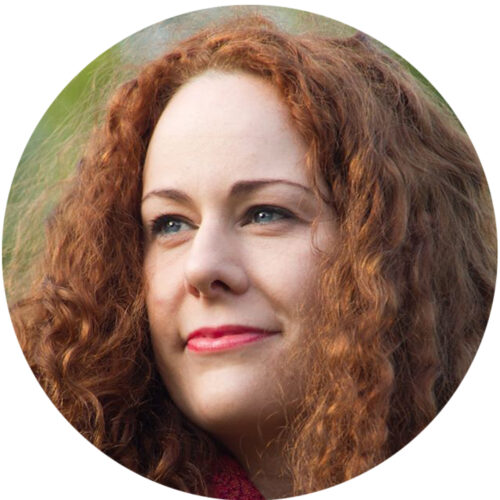
Alice McCullough
BIO
Once described by poet Tony Walsh as “A Fred Astaire of Words,” Alice McCullough’s unconventional poetry performances have captivated audiences ever since she made her start performing ‘Alice Fresco’ on the streets of Belfast. Fans of her work include Stephen Fry who described her as “a sensational new voice” and Naomi Shihab Nye, who described her as “Mesmerising, delightfully unforgettable. A true original.”
Alice was first sectioned in psychiatric hospital when she was 18 years old, and has navigated several hospitalisations and diagnoses over the years. In between hospitalisations, Alice has used her lived experience to open up conversations about mental wellbeing, neurodivergence and disability, providing insight through comedy, storytelling, poetry and film-making.
Her critically acclaimed one-woman show ‘Earth to Alice’ is a candid collection of songs and poems that take her audience on a walk through Belfast to Wonderland and back: From the trauma, loneliness and isolation behind the locked doors of the mental health ward out into the richness and beauty of a creative life blossoming with hope and possibility.
A TV adaptation of ‘Earth to Alice’ was commissioned by BBC in 2021 as part of their ‘Culture In Quarantine’ series, available to view on YouTube here: https://youtu.be/Ni3I9sZTfxI?si=KJ-HMP2TQTMoAh9I
We are delighted to have Alice join us at the Neurodivergence Conference as our poet in residence, where she will share a poetic performance inspired by the themes of the conference.
WORKSHOP OVERVIEW
Earth to Alice –
Poet In Residence Alice McCullough performance and Q&A
In her role as poet in residence of the Neurodiversity Conference, Alice invites you to travel with her through a cluster of memories – from her early years struggling to navigate the harsh and punishing environment of school, through various hospitalisations and diagnoses, to learning how to harness her sensitivity and find her voice through award-winning poetry, art and film-making. Alice will share an excerpt from her critically acclaimed one-woman show ‘Earth to Alice’ and will share a piece of poetry written specially for the Neurodiversity Conference, along with a short Q&A.
Dr Sara Santos
BIO
Sara Santos is passionate about opening access to learning to all people.
After working in education for more than 25 years, Sara opened her practice IngoC Cognitive Enhancement Centre to support individuals building their learning capacity.
Sara offers the Arrowsmith Program in person and online, in English and Portuguese, complementing her work in mathematics education.
Sara’s quest for access to learning started with mathematics (she holds a PhD in Mathematics from the University of Manchester) and her journey took her to look into neuroplastic programmes. Sara believes we can change education to provide each young person with state-of-the-art education informed by what we know about our body and mind.
Sara has been a BBC commentator on Mathematics and has had multiple international media appearances. In the UK Sara worked at the Royal Institution of Great Britain, King’s College London, and created an independent company Maths Busking to bring maths to the masses!
In Portugal she trains school teachers to use a Limitless Mind approach and teach mathematics as a fun, open, creative, visual, collaborative and equitative subject. She is a founding fellow of Forward College. Since 2024 Sara runs the ArteMatika Summer Course for visual, creative, collaborative, open minded work in mathematics, combined with art.
Sara always loved mathematics and art and cannot see them separately. She lives in Portugal where she enjoys being close to the sea. The name ‘IngoC’ represents ‘cogni’ read backwards.
WORKSHOP OVERVIEW
Did you know the brain can change? Did you know that we can all change our brain to function better across our lifespan? Did you know that learning difficulties do not have to be lifelong?
In this session, Dr Sara Santos and Debbie Gilmore will shine a cognitive lens on these topics and explore how, through the principles of neuroplasticity, children and adults alike, can change their brains and improve focus, confidence, academic performance, emotional well-being and lifelong learning skills.
Individuals with ADHD, Autism, Dyslexia and other forms of neurodivergence, as well as educators and parents might find new possibilities, inspiration and learn more about how the brain functions.
LEARNING OBJECTIVES
- Learn about the principles of neuroplasticity – – identify characteristics of cognitive programmes that can create sustained change in the brain
- Learn about the Cognitive Functions of the brain – explore the difference between skills we perform and the cognitive functions recruited to perform the skills
- Revisit Neurodivergence and Learning Difficulties through a cognitive lens – consider a variety of neurodivergent cognitive profiles, relate common difficulties to cognitive functions
- Engage in a live Q&A to personalise insights – extend your understanding by participating in an interactive discussion, asking questions about specific use cases and exploring how neuroplastic interventions might be tailored to individuals in education, work, health, wellbeing and community settings.
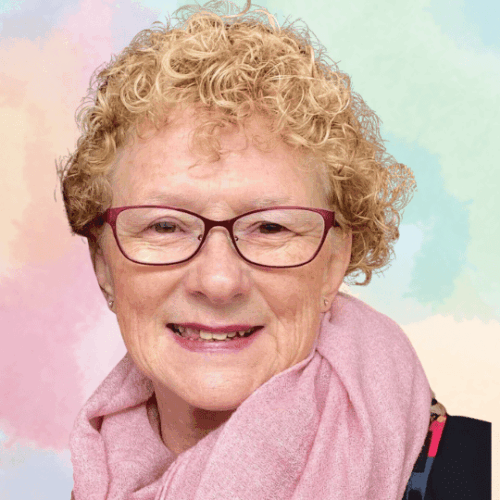
Debbie Gilmore
BIO
Debbie Gilmore is the Executive Director of Arrowsmith Program. She has enjoyed a varied career in educational leadership, and now is helping bring about an educational revolution. As teacher, literacy adviser, assistant principal, principal and administrator, Debbie always sought programs that were innovative, inclusive and made a meaningful impact in the lives of students. When she found Arrowsmith, it transformed her understanding of what was possible. After spearheading an initiative to bring Arrowsmith to schools in Sydney’s Catholic Education Office where she was Head of Diverse Learning, Debbie joined Arrowsmith as Executive Director. Since 2013 she has been leading the strategic growth and development of Arrowsmith, and every day speaks to educational leaders about the power and potential that cognitive programming can have in deepening life long learning experiences. As a parent she has seen first hand how Arrowsmith can transform the brains and lives of students and the community that surrounds them.
WORKSHOP OVERVIEW
TBC
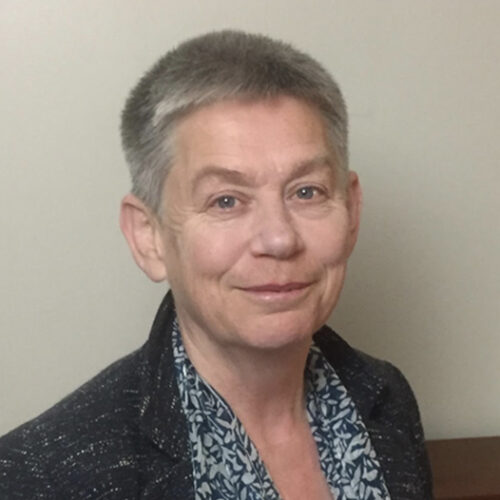
Charlotte Davies
BIO
Charlotte is a social entrepreneur and an experienced senior teacher. For the last 12 years she has run Fit 2 Learn CIC, a small international social enterprise, that seeks to show individuals and organisations how people of all ages can use non-invasive therapies in order to behave calmly and learn efficiently at the highest level.
Fit 2 Learn CIC is a disruptive social enterprise in that it is agile, works across many disciplines and seeks to empower people with the skills to manage their own physiology for life, not to be dependent on coping strategies and medication. Fit 2 Learn is actively supporting projects outside the UK in Italy and China.
Charlotte developed her interest in this area when she realised that her own son at 6 years old was effectively blind and losing motor skills. She realised that her son had been blinded by her local hospital’s treatment of his lazy eye, so she set off to sort out the mess. By the time he was 8 years old his vision and motor skills were working well. By 17 years old he left school with exceptional exam results and chose to study at an elite French university. He is now 26 years old and continues to be highly skilled in all areas of his development.
WORKSHOP OVERVIEW
Sound processing shapes how we take in, interpret, and respond to the world around us. It influences not only how we hear, but how we move, focus, and connect with other senses. In this workshop, we will explore the role of sound processing in neurodivergence, including ADHD, autism, dyslexia, and dyscalculia. Drawing on the Tomatis® Method, you’ll experience practical activities that demonstrate how sound therapy can support neuroplasticity and unlock potential. Come ready to engage actively and leave with tools you can put into practice straight away.
LEARNING OBJECTIVES
- Understand what sound processing is
- Understand how sound processing impacts on other senses and motor skills
- Understand how sound processing manifests in ADHD, Dyslexia, Dyscalculia, Autism and other issues
- Understand how sound processing is impacted by trauma, both causing and magnifying neurodivergence
- Understand how sound processing therapy facilitates neuroplasticity
Who Should Attend
Helping Professionals
Counsellors, therapists, educators, and support staff seeking inclusive, neurodiversity-informed approaches.
Healthcare and Workplace Leaders
Health, social care, HR professionals and employers focussing on tailored and inclusive approaches.
Policy and Advocacy Roles
Policymakers, community leaders, and activists driving systemic change for neurodivergent communities.
Families and Individuals
Parents, carers, students, researchers and people with lived experience wanting to connect and contribute.
Exhibitors